



April 20, 2026
Strategies for Seeking to Turn Your 401(k) into an Income Stream

By Chris Palabe, CFS, AIF®
Introduction
For many pre-retirees, a 401(k) represents the largest portion of their retirement savings. Years of consistent contributions, market growth, and disciplined investing have helped build that balance.
But as retirement approaches, a different question becomes more important:
How do you turn that balance into a reliable income stream?
Because while building your 401(k) requires consistency, turning it into income requires a completely different strategy.
1. The Challenge: A Lump Sum Without a Plan
When you retire, your 401(k) does not automatically turn into a paycheck.
Instead, it becomes a pool of money that now needs to:
- Generate income
- Last for decades
- Navigate market ups and downs
- Keep pace with inflation
Without a clear plan, many retirees fall into one of two extremes:
- Being too conservative and underspending out of fear
- Withdrawing too much and risking running out of money later
Neither approach leads to confidence.
Planning note:
Retirement income planning is not just about how much you have saved—it’s about how you turn your savings into income.
2. Why Having a Withdrawal Strategy Matters
Consider a simple example:
You retire with a $1,000,000 401(k) and decide to withdraw $50,000 per year.
On the surface, that may seem reasonable. But if the market declines 30% early in retirement while withdrawals continue, your portfolio is reduced by both market losses and income taken.
This combination can make recovery more difficult—especially if a market downturn occurs in the early years of retirement. This dynamic is called sequence of returns risk, a concept widely discussed in retirement income research¹.
The initial years of market returns in retirement can have a lasting impact on long-term outcomes.
Strategies that may help manage this risk include:
- Maintaining a portion of assets in more conservative investments
- Holding a cash reserve for near-term income needs
- Creating a distribution plan prior to withdrawals
Planning note:
Early retirement years are particularly sensitive to market declines and withdrawal timing¹. Managing risk prior to retirement can improve long-term sustainability¹.
3. Redefine Your 401(k) as an Income Engine
The first step is a shift in mindset.
Your 401(k) is no longer just an investment account—it becomes your primary income source.
That means each decision should be guided by one key question:
“How can my 401(k) support my income over time?”
This often leads to a more balanced investment approach between income, growth, and capital preservation, rather than focusing solely on accumulation.
Planning note:
As you near retirement, your investment strategy should evolve as your goals shift from accumulation to income.
4. Coordinate With Other Income Sources
Your 401(k) should not be viewed in isolation. It works best when integrated with other income sources, such as:
- Social Security
- Pensions (if applicable)
- Taxable or IRA accounts
A coordinated approach can help create a more confident and flexible income plan, where different assets serve different roles. Research on retirement income planning highlights the importance of integrating multiple income sources to improve outcomes².
Planning note:
A diversified income strategy can help balance stability, growth, and tax efficiency².
Strategic Considerations
Turning a 401(k) into income is not about predicting markets or finding a single “perfect” withdrawal rate. It is about building a system that can adapt over time.
This often includes balancing growth and income and regularly reviewing the plan as conditions change.
Key Takeaways
A well-structured retirement income strategy aims to:
- Provide consistent income
- Adjust to market conditions
- Support long-term financial independence
When done thoughtfully, your 401(k) can transition from a retirement savings account into a reliable income source.
At Palabe Wealth, we work with clients to develop retirement income strategies designed to provide clarity, flexibility, and confidence over time.
As always, Palabe Wealth is here to help. If you have any questions regarding your financial plan, please feel free to reach out at chris.palabe@lpl.com.
References
- Pfau, Wade D., Sequence of Returns Risk and Retirement Income Planning, Journal of Financial Planning.
- Morningstar Research, The State of Retirement Income, 2024.
Disclosures
This material is for general informational purposes only and is not intended to provide specific tax, legal, or investment advice. Individuals should consult with their tax advisor, financial professional, or attorney regarding their unique circumstances. Past performance is no guarantee of future results. Investing involves risk, including possible loss of principal. Securities and advisory services offered through LPL Financial, a registered investment advisor and member FINRA/SIPC. Palabe Wealth and LPL Financial are separate entities.
There is no guarantee that a diversified portfolio will enhance overall returns or outperform a non-diversified portfolio. Diversification does not protect against market risk. (26-LPL)
This is a hypothetical example and is not representative of any specific investment. Your results may vary.
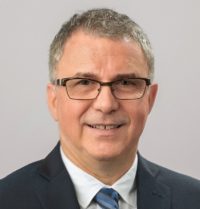
Chris Palabe, CFS, AIF®
Chris Palabe is the CEO and a Financial Advisor at Palabe Wealth, a firm that provides exceptional expertise in the Financial Planning space. For over 25 years, he has cultivated a deep understanding of the complexities of wealth management and retirement planning, making him a valued advisor to both Plan Sponsors of 401(k) plans and Individual Investors.
Holding esteemed designations such as Certified Fund Specialist (CFS) and Accredited Investment Fiduciary (AIF), Chris showcases his commitment to upholding the highest standards of investment advice and fiduciary responsibility in his advisory relationships. These designations are a testament to his knowledge and dedication to providing clients with sophisticated and ethical financial guidance.
He holds his Series 6, 7, 63, and 65 licenses through LPL Financial, which qualify him to offer a broad range of financial products and services.
Chris’s distinguished career is characterized by his unwavering commitment to his clients' financial well-being. He focuses on crafting tailored strategies that aim to optimize retirement outcomes and financial independence. He continually strives to help the individuals he works with on their path towards financial success.
Over the years Chris has refined a consistent, strategic investment philosophy supported by a significant body of academic research. He believes that a widely diversified portfolio of investments tailored to each client’s unique risk tolerance and financial goals is the key to their financial success.
Beyond his professional achievements, Chris has a profound passion for dressage, a highly skilled form of horse riding performed in exhibition and competition. This discipline requires a remarkable level of dedication, precision, and harmony between rider and horse, qualities that mirror his approach to financial planning.