



September 28, 2026
Why Having an Emergency Account Matters Even More at the Start of Retirement

By Chris Palabe, CFS, AIF®
Introduction
Retirement is one of life’s biggest financial transitions. After decades of receiving a regular paycheck, retirees begin relying more heavily on Social Security, pensions, investments, and accumulated savings to fund their lifestyle.
While much of retirement planning focuses on building a sufficient portfolio, there is another important question to consider:
How much cash should you have available when retirement begins?
Maintaining an adequate emergency reserve can provide flexibility when unexpected expenses arise or financial markets become volatile. For some retirees, having enough liquid assets to cover approximately one to two years of anticipated spending needs may be worth considering as part of a broader retirement income strategy.¹
1. What Is a Retirement Emergency Reserve?
A retirement emergency reserve is money set aside in relatively liquid, lower-risk holdings to help cover near-term expenses without necessarily having to sell longer-term investments.
Depending on an individual’s circumstances, these assets might include:
- Savings accounts
- Money market accounts
- Short-term certificates of deposit (CDs)
- Treasury bills or other short-term investments
The objective is generally not to maximize investment returns. Instead, the reserve is intended to provide readily accessible funds when they are needed.
The appropriate amount will vary considerably. Spending needs, guaranteed income, portfolio size, risk tolerance, healthcare expenses, and other financial resources should all be considered before determining an appropriate reserve.
Planning note:
There is no universal amount of cash that every retiree should hold. A reserve should be based on your individual income needs and overall financial plan.
2. Preparing for Market Downturns
One of the risks retirees face is known as sequence of returns risk.
This occurs when poor investment returns happen early in retirement while an investor is simultaneously withdrawing money from the portfolio. Selling investments following a significant market decline can leave fewer assets available to participate in a potential market recovery.²
A cash reserve may provide another source from which to fund expenses during periods of market volatility, potentially reducing the need to sell certain investments at an unfavorable time.
This doesn’t mean investors should attempt to predict when markets will rise or fall. Rather, maintaining sufficient liquidity can provide additional flexibility when market conditions are challenging.
Planning note:
The timing of investment returns can be particularly impactful when regular portfolio withdrawals begin.
3. Preparing for the Unexpected
Markets aren’t the only source of uncertainty in retirement.
Unexpected expenses can arise at virtually any time, including:
- Medical or healthcare expenses
- Major home repairs
- Vehicle replacement
- Family emergencies
- Higher-than-anticipated living expenses
During your working years, an unexpected expense may be easier to absorb through future paychecks. In retirement, the same expense may require withdrawing additional money from an investment portfolio.
Maintaining an emergency reserve can provide another source of funds for these expenses without necessarily disrupting the longer-term investment strategy.
Planning note:
An emergency reserve can serve two purposes in retirement: helping address unexpected expenses and providing flexibility around portfolio withdrawals.
4. Don’t Overlook the Cost of Holding Too Much Cash
Cash can provide stability, but there is also a tradeoff.
Money held in cash or short-term investments generally has less long-term growth potential than assets such as stocks. Inflation can also reduce purchasing power over time.
For that reason, the goal shouldn’t necessarily be to hold as much cash as possible. Instead, retirees should consider finding an appropriate balance between liquidity today and growth for tomorrow.
Someone with Social Security and pension income may require a different reserve than someone who relies heavily on portfolio withdrawals to meet monthly expenses.
Planning note:
The appropriate reserve should complement—not replace—a diversified long-term investment strategy.
5. Build the Reserve Before Retirement
An emergency reserve does not necessarily need to be created on the day you retire.
The final years before retirement can provide an opportunity to gradually build liquidity while you’re still receiving employment income.
Strategies may include:
- Increasing cash savings during the final working years
- Directing bonuses or other additional income toward reserves
- Reviewing anticipated retirement expenses
- Coordinating the reserve with Social Security, pension, and portfolio income
Planning note:
Building liquidity before retirement can help avoid having to make significant portfolio changes immediately after your last paycheck.
Strategic Considerations
The appropriate amount of cash to maintain in retirement is highly personal.
For some retirees, approximately one to two years of anticipated portfolio withdrawals may provide a useful starting point for discussion. Others may need considerably more or less depending on their income sources, expenses, risk tolerance, and overall financial circumstances.¹
The important consideration is not simply the size of the cash account. It is understanding what the reserve is designed to accomplish and how it fits alongside the rest of the retirement income strategy.
Key Takeaways
Retirement planning isn’t only about accumulating assets. It’s also about developing a strategy for using those assets once regular employment income stops.
An appropriately sized emergency reserve may provide retirees with additional flexibility during market downturns and when unexpected expenses occur. At the same time, holding excessive amounts of cash can introduce its own risks, including inflation and reduced long-term growth potential.
The goal is to find a balance between having enough liquidity for the near term while keeping longer-term assets positioned to support the years ahead.
At Palabe Wealth, we help clients coordinate cash reserves, investments, Social Security, and other income sources as part of a comprehensive retirement income strategy.
As always, Palabe Wealth is here to help. If you have any questions regarding your financial plan, please feel free to reach out at chris.palabe@lpl.com.
References
- Vanguard, Spending Strategies in Retirement and retirement income planning research.
- Wade D. Pfau, retirement income research regarding sequence of returns risk and portfolio withdrawals.
Disclosures
CDs are FDIC insured to specific limits and offer a fixed rate of return if held to maturity, whereas investing in securities is subject to market risk including loss of principal.
Government bonds and Treasury bills are guaranteed by the US government as to the timely payment of principal and interest and, if held to maturity, offer a fixed rate of return and fixed principal value.
You could lose money by investing in a money market fund. Although the fund seeks to preserve the value of your investment at $1.00 per share, it cannot guarantee it will do so. An investment in the fund is not insured or guaranteed by the Federal Deposit Insurance Corporation or any other government agency.
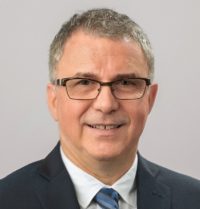
Chris Palabe, CFS, AIF®
Chris Palabe is the CEO and a Financial Advisor at Palabe Wealth, a firm that provides exceptional expertise in the Financial Planning space. For over 25 years, he has cultivated a deep understanding of the complexities of wealth management and retirement planning, making him a valued advisor to both Plan Sponsors of 401(k) plans and Individual Investors.
Holding esteemed designations such as Certified Fund Specialist (CFS) and Accredited Investment Fiduciary (AIF), Chris showcases his commitment to upholding the highest standards of investment advice and fiduciary responsibility in his advisory relationships. These designations are a testament to his knowledge and dedication to providing clients with sophisticated and ethical financial guidance.
He holds his Series 6, 7, 63, and 65 licenses through LPL Financial, which qualify him to offer a broad range of financial products and services.
Chris’s distinguished career is characterized by his unwavering commitment to his clients' financial well-being. He focuses on crafting tailored strategies that aim to optimize retirement outcomes and financial independence. He continually strives to help the individuals he works with on their path towards financial success.
Over the years Chris has refined a consistent, strategic investment philosophy supported by a significant body of academic research. He believes that a widely diversified portfolio of investments tailored to each client’s unique risk tolerance and financial goals is the key to their financial success.
Beyond his professional achievements, Chris has a profound passion for dressage, a highly skilled form of horse riding performed in exhibition and competition. This discipline requires a remarkable level of dedication, precision, and harmony between rider and horse, qualities that mirror his approach to financial planning.